Skip to content
Book Now

New Kenya Park Fees Structure

Kenya’s recent decision to hike park entry fees and introduce mandatory online payments is causing concerns among tour operators, and I can understand why. As a state corporation responsible for managing national parks, Kenya Wildlife Services (KWS) tripled park entry fees and implemented a centralized online payment platform.

This move has been made to streamline processes and generate revenue for conservation efforts.

The revised park fee structure in Kenya introduces the following alterations:

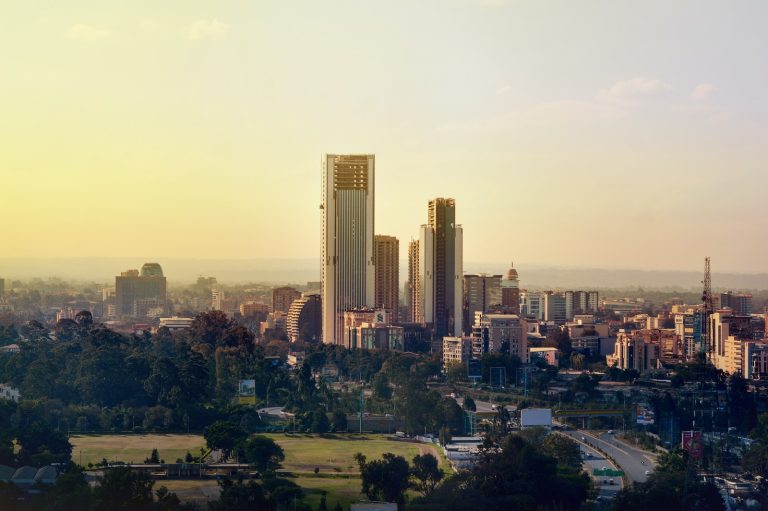
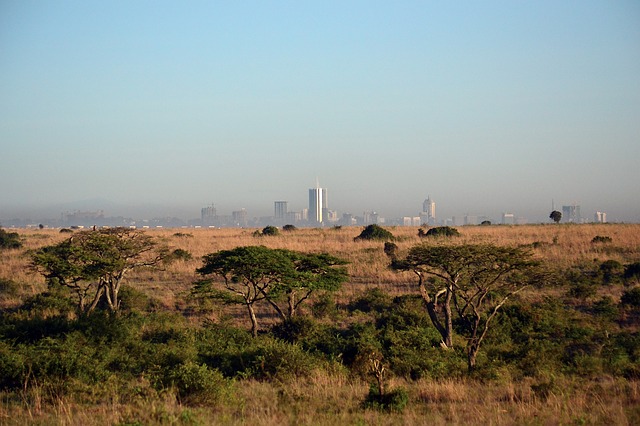
  1. Starting January 2024, Kenyan and other East African Community (EAC) adults will be charged $14 for entry into urban parks like Nairobi National Park, while children’s fees will be $3.4.
  2. Foreign adults from other parts of Africa will face a fee of $20, while international tourists will incur a charge of approximately $100.
  3. Premium parks such as Amboseli and Lake Nakuru National Parks will implement a fee of $7 for adult visitors during the low season and $100 during the high season.
  4. The duration of entry fee validity has been shortened from 24 hours to 12 hours, requiring guests to hold a valid park ticket for each night spent in the Mara Reserve.

These adjustments stem from a thorough analysis of feedback gathered during forums held in January 2023. They aim to bolster conservation efforts, enhance infrastructure, safeguard biodiversity, and offer visitors a more immersive safari experience.

Below is a table breakdown summary

High Season Kenya National Park New Rates

Kenyan Resident (Ksh)  Kenyan Resident (Ksh) Rest of Africa (USD) Rest of Africa (USD) International (USD) International (USD)
Park Adult Child Adult Child Adult Child
Nairobi National Park 2000 500 50 20 100 35
Amboseli National Park 1000 500 50  20 100 35
Lake Nakuru National Park 1000 500 50  20 100 35
Tsavo East National Park 500 250 30  20 80 35
Tsavo West National Park 500 250 30  20 80 35
Meru National Park 500 250 30  20 60 35
Aberdare National Park 500 250 30  20 60 35


Low Season Kenya National Park New Rates

Below are the new rates being charged for the low season in Kenyan national parks

Kenyan Resident (Ksh)  Kenyan Resident (Ksh) Rest of Africa (USD) Rest of Africa (USD) International (USD) International (USD)
Park Adult Child Adult Child Adult Child
Nairobi National Park 2000 500 25 10 100 20
Amboseli National Park 800 250 35 10 80 20
Lake Nakuru National Park 800 250 35 10 80 20
Tsavo East National Park 300 250 18 10 35 20
Tsavo West National Park 300 250 18 10 35 25
Meru National Park 300 250 18 10 25 20
Aberdare National Park 300 250 18 10 25 20

Procedure of Payment of Kenya National Park Fees

KWS is no longer accepting cash payments for park fees to enable you enter its national park. All visitors will now have to pay for park fees through the eCitizen platform.

This new payment system aims to centralize government services and increase accountability while streamlining the payment process for visitors to Kenya’s national parks.

Masai Mara National Reserve New Park Fees

The new Masai Mara game reserve fees, effective from January 1, 2024, include the following changes:

  • Non-resident adults will pay $100 per day from July 1, 2024, onwards
  • Children visiting the Masai Mara National Park from January 1, 2024, to December 31, 2024, will start paying $50 per day.
  • The park fees for East African residents vary, with Kenyan citizens paying Ksh. 1,000 for adults and Ksh. 200 for children and students.
  • The vehicle charges range from Ksh. 400 for vehicles with 5 seats or less to Ksh. 5,000 for vehicles with 45 seats and above per day.
  • The park entry fees are valued for 24 hours from the time of entry, and guests must leave the park by 10:00 AM on the day of departure to avoid additional day fees.

How To Pay Park Fees At Masai Mara Game Reserve

To pay the Masai Mara park fees, international tourist payments will be paid by their tour operator or travel agent. If you want to pay yourself, you can use their credit cards either in Nairobi city or at the park gates of Oloololo gate, Purungat Bridget, or Serena Airstrip.

The park fees are valued for 24 hours from the time of entry, and rates can also be influenced by where one is staying during their trip in Masai Mara.

Guests staying at specific lodges like Mara Serena Lodge and Little Governor’s Camp receive a $10 discount on park entry fees.

East African residents need to present their national identity card or passport to prove their resident status at the park gate. Payment can be made in cash using US Dollars or Kenya Shillings at the entry gates, except for those paying for entry to the Mara Triangle.

Planning A Safari in Kenya?

Talk to us as Mara Gates Safaris. We have been in business since 2009 and have the experience of booking both small family groups to large groups as well. WE have received lots of favorable reviews on Google Reviews and we are confident we can organize something special that is within your budget.

Tour vans

Use the form below to reach us and will will get back to you within 1 business day

    Your Name (required):

    Your Email (required):

    Subject (required):

    Your Message


    Reviews About Mara Gates Safaris

    Below are some of the live reviews made concerning Mara Gates Safaris

    Mara Gates Safaris place picture
    4.9
    Based on 27 reviews
    Luis Eduardo Torres R. profile picture
    Luis Eduardo Torres R.
    7 years ago
    Unbelievable experience! From planning and booking with Agnes, up to our last day, everything was great!

    Our driver, Jackson, was AMAZING! He definitely a big factor in making our experience so unique.
    rommel carlos profile picture
    rommel carlos
    7 years ago
    Agnes of Mara Gates always responds within 24 hours regarding any of my inquiries. She made the process very easy and always accommodated changes to our itinerary. Ken our driver/guide is very knowledgeable about animals and their behavior. Will definitely book another Safari trip with Mara Gates.!!!
    Robert Schlag profile picture
    Robert Schlag
    7 years ago
    Mara Gates provided us with an experience of a lifetime. The places that we visited were breathtakingly beautiful, the variety and number of animals and flora were spectacular. And our guide, Ken, was so courteous, knowledgeable, and organized. The depth of his knowledge and explanations of animal behavior and the local environments was like traveling with a patient university professor of zoology, ornithology, and botany. Our lodging, food, and their support service staff were excellent. I give this company and its guide my highest recommendation. Thank you. Thank you. Thank you.
    Malou Carlos profile picture
    Malou Carlos
    7 years ago
    We had a wonderful 9-day safari with Mara Gates. My husband found their website and came up with a custom-made itinerary, that Agnes gladly accommodated and made it even better. Communicating with them was so easy because Agnes responds promptly. As soon as their office is open in Nairobi, they respond to our email inquiries quickly. We also met her at our hotel and we discussed the itinerary and she gave us pointers on what to expect during our trip. On the morning of the beginning of our safari, Ken our guide and driver promptly arrived and packed our van. Ken is a very intelligent, knowledgeable, wonderful person who gave us quick lessons on the different types of animals, birds, reptiles and also gave us lessons on their behavior. We would really like to go back and do another safari with Mara Gates, and most especially with Ken. Thank you so much for a wonderful trip!
    Rob Lovemore profile picture
    Rob Lovemore
    7 years ago
    our family booked a hot air balloon trip with Mara Gates. A very good driver collected us from our camp in a smart closed body Toyota Landcruiser. Our camp was nearly an hours drive from the balloon site so it was a good commitment. Hot air ballooning is a must for visitors to the Mara. It's expensive but well worth it. We had a very competent pilot from Switzerland. The open air breakfast on the plains after we landed was also excellent. Then the same driver took us back home again. A great day out. Thanks Mara Gates.
    ABHIJIT MANNA profile picture
    ABHIJIT MANNA
    7 years ago
    We booked our African Safari trip with Mara Gates Safaris in May, '19. This was one of the best trips we have made so far and thanks to Mara Gates Safaris, it became the most memorable one. We received all the help we needed starting from the booking until the end of the trip. Special thanks to our guide Ken who enlightened us so much about the nature and behavior of the animals in the wild and took us to some of the best viewing spots over the different parks.
    Maurine Limo profile picture
    Maurine Limo
    8 years ago
    I had a wonderful experience with Mara Gates Safaris. I wanted a 5 day trip to the coastal town and they got me a very good safari. They are highly organized, excellent communicators- never once did I not get my queries answered and very accommodating. Everything went exactly as scheduled and discussed. Ms. Agnes is easy to work with and a professional in her line of duty. First time with Mara Gates and I will definitely be using them.
    More reviews

    Effect of Increase in Park Fees in Kenya

    There has been ongoing discussions of what the effect of the increase in park fees will have on Kenyan tourism at large compared to its competitor Tanzania. Here are some points raised, both pros and cons

    Pros:

    • Increased revenue: Higher park fees can generate additional revenue for Kenya Wildlife Services (KWS), which can be used for conservation efforts, infrastructure development, and biodiversity protection.
    • Conservation funding: The additional funds raised from increased park fees can contribute to better management of national parks, including anti-poaching measures, habitat restoration, and wildlife monitoring.
    • Improved visitor experience: With more resources available, national parks can enhance visitor facilities, such as improved trails, visitor centers, and amenities, leading to a better overall experience for tourists.
    • Sustainable tourism: By charging higher park fees, Kenya can encourage more sustainable tourism practices, such as limiting visitor numbers and promoting eco-friendly activities, to minimize environmental impact.

    Cons:

    • Decreased affordability: Higher park fees may make it less affordable for local and regional visitors, limiting access to natural attractions for those who cannot afford the increased costs.
    • Reduced competitiveness: Increased fees could make Kenya less competitive compared to other safari destinations in Africa, leading tourists to choose alternative destinations with lower costs.
    • Impact on tourism industry: A significant hike in park fees may deter tourists, resulting in a decline in visitor numbers and revenue for the tourism industry as a whole, affecting businesses and livelihoods dependent on tourism.
    • Negative perception: Some tourists may perceive the increased fees as exploitative or unjustified, potentially tarnishing Kenya’s image as a tourist-friendly destination and impacting its long-term tourism appeal.

    P

    Nairobi Hotel Conferencing Guide

    Nairobi, the vibrant capital city of Kenya, has emerged as a top destination for conferences and business events in Africa. With its strategic location, modern infrastructure, and a wide range of amenities, Nairobi offers an ideal setting for hosting successful conferences.

    We as Mara Gates Safaris, a tours and travel company based in Kenya, do specialize in conference planning and have knowledge of Nairobi’s conferencing landscape.

    With our expertise, we can assist conference organizers in selecting the best hotels with conferencing facilities based on specific requirements.

    How We Can Help You

    Our understanding of the local market ensures that you have access to the most suitable options that align with your event objectives.

    Our last conference we organized at Serena hotel. 60+ people were in attendance

    Why work with us?

    There are 4 key things that you will enjoy with us

    1. Time & Effort Savings
    2. Access to Exclusive Deals & Discounts
    3. Streamlined Planning Process
    4. On-Site Support & Assistance
    5. Networking Opportunities
    6. Cost Effectiveness

    1. Time and Effort Savings

    By utilizing our services, you will save valuable time and effort. We will be responsible for researching hotels, negotiating rates, and managing logistics, allowing you as the organizer to focus on other crucial aspects of the conference.

    This streamlined approach ensures that the planning process is efficient and hassle-free.

    2. Access to Exclusive Deals and Discounts

    We have established partnerships with various hotels in Nairobi, enabling us to secure exclusive deals and discounts for conference organizers.

    nairobi hotels conferencing

    These savings can significantly benefit you by potentially lowering overall costs and optimizing your conference budget. Our connections and relationships within the industry allow us to provide these exclusive offers to you.

    3. Streamlined Planning Process

    With Mara Gates Safaris, you can expect a streamlined planning process. We will assist with various tasks, including venue selection, accommodation arrangements, transportation, and catering.

    Past conference at a Nairobi hotel

    Our expertise and local knowledge ensure that you have access to the most suitable options and that all logistical aspects are efficiently managed.

    This comprehensive support allows for a smooth and efficient planning experience.

    4. On-Site Support and Assistance

    During the conference, we as Mara Gates Safaris will provide on-site support and assistance. Our presence ensures that any unforeseen issues or last-minute changes can be promptly addressed, minimizing stress for conference organizers.

    Our experienced team will be readily available to provide assistance and ensure that the event runs smoothly, allowing you to focus on the content and success of the conference.

    conferencing bookings in Kenya

    5. Networking Opportunities

    Mara Gates Safaris understands the importance of networking opportunities during conferences.

    They can facilitate social events, city tours, and team-building activities, creating an environment that fosters connections and collaboration among conference attendees.

    These additional experiences enhance the overall conference experience and provide valuable networking opportunities for participants.

    6. Cost-Effectiveness

    Utilizing the services of Mara Gates Safaris can lead to cost-effectiveness in conference planning.

    Our industry connections and negotiation skills enable us to secure competitive rates for venues, accommodations, and other conference-related services.

    By optimizing the conference budget, you can allocate resources more efficiently and ensure a successful event without compromising on quality.

    Video where we see off our clients after a successful conference meetup


    Contact Us

    This is box title

    Contact us through the form below and Agnes will get back to you as soon as possible regarding your conferencing related needs in Kenya.


      Best Nairobi Hotels With Conferencing Facilities

      Below are some of the hotels in Nairobi with the best conferencing facilities that we as Mara Gates Safaris can help you get the best deals. These are not the only ones on our portfolio.

      If you contact them directly you wont get the same rates that we will give you so talk to us today

      1. Sarova Stanley Hotel

      • Located in the city center of Nairobi
      • Offers a variety of conference rooms and event spaces
      • Can accommodate small to large-scale events
      • Provides audiovisual equipment and technical support
      • Has on-site catering services and a dedicated events team

      2. Radisson Blu Hotel Nairobi Upper Hill

      • Situated in the Upper Hill neighborhood of Nairobi
      • Features modern conference facilities with state-of-the-art technology
      • Offers flexible meeting spaces for different group sizes
      • Provides audiovisual equipment, high-speed internet, and professional event planning services
      • Has on-site dining options and accommodation facilities

      3. Villa Rosa Kempinski Nairobi

      • Located in the upscale Westlands area of Nairobi
      • Offers elegant conference venues with natural daylight and modern amenities
      • Provides personalized event planning services and audiovisual equipment
      • Offers luxurious accommodation options and on-site dining options

      4. Serena Hotel Nairobi

      • Location: Located in the city center of Nairobi, Kenya.
      • Conference Facilities: Serena Hotel offers a world-class Conference Centre with state-of-the-art facilities.
      • Meeting Rooms: They have multiple meeting rooms and boardrooms available for conferences and events.
      • Capacity: The conference rooms can accommodate small to large-scale events, with a capacity of up to 650 people.
      • Amenities: The hotel provides audiovisual equipment, high-speed internet access, and professional event planning services.
      • Catering: They offer catering services for breakfast, lunch, dinner, and cocktails.
      • Additional Services: Serena Hotel has a business center, administrative services, and secretarial services available for conference attendees.

      Frequently Asked Questions (FAQs)

      Which Nairobi Hotel To Work With?

      When selecting a hotel with conferencing facilities in Nairobi, several factors should be taken into consideration to ensure a successful event.

      1. Location: The hotel’s location is crucial, as it should be easily accessible for attendees. Ideally, it should be situated in a central area with good transportation links. Proximity to the airport, major business districts, and tourist attractions can also be advantageous.
      2. Capacity: The hotel should have adequate space to accommodate the expected number of attendees comfortably. It is essential to consider the size of the conference rooms, banquet halls, and breakout areas to ensure they can accommodate the desired capacity.
      3. Amenities: The availability of amenities is vital for a successful conference. The hotel should offer facilities such as high-speed internet, audiovisual equipment, and comfortable seating arrangements. Additionally, amenities like business centers, fitness centers, and on-site dining options can enhance the overall experience for attendees.
      4. Audiovisual Equipment: State-of-the-art audiovisual equipment is crucial for delivering impactful presentations and ensuring smooth communication during the conference. The hotel should provide modern equipment, including projectors, sound systems, microphones, and screens, to facilitate seamless presentations and discussions.
      5. High-Speed Internet: In today’s digital age, a reliable and high-speed internet connection is essential for conferences. The hotel should offer fast and stable internet access to support online presentations, live streaming, and seamless communication.
      6. Dedicated Event Staff: The hotel’s event staff plays a vital role in ensuring the smooth execution of the conference. They should be experienced, professional, and attentive to the needs of the organizers and attendees. A dedicated event coordinator can provide valuable assistance in planning and managing the event.

      By considering these key factors, conference organizers can select a hotel in Nairobi that meets their specific requirements and ensures a successful and memorable event.

      Types of Conferencing Facilities In Nairobi?

      Nairobi hotels offer a diverse range of conferencing facilities to cater to different event sizes and requirements. These facilities typically include conference rooms, boardrooms, and banquet halls.

      Conference rooms are suitable for medium to large-sized events and are equipped with audiovisual equipment, comfortable seating arrangements, and presentation facilities.

      Boardrooms, on the other hand, are ideal for smaller, more intimate meetings and discussions. They often feature a more formal setting and are equipped with essential presentation tools.

      When selecting a hotel, it is important to consider the size, layout, and flexibility of the conferencing venues. The size should be appropriate for your expected number of attendees, ensuring that everyone can comfortably participate.

      The layout should be conducive to the type of event you are organizing, whether it’s a theater-style setup, classroom-style, or a more interactive arrangement.

      Flexibility is also crucial, as it allows for customization and adaptability to meet your specific event requirements.

      Additional Services/Amenities To Look For?

      In addition to conferencing facilities, there are several additional services and amenities that you should consider when choosing a hotel in Nairobi for your conference. These include:

      1. On-site Catering: Check if the hotel offers on-site catering services to provide meals and refreshments during the conference. Having access to quality catering can enhance the overall experience for attendees and save time and effort in organizing external catering services.
      2. Business Centers: Look for hotels that provide well-equipped business centers, which can be useful for last-minute printing, copying, or any other administrative needs that may arise during the conference.
      3. Parking Facilities: Consider the availability of parking facilities for both attendees and organizers. Ample parking space ensures convenience and ease of access for those traveling by car.
      4. Accommodation for Attendees: If your conference spans multiple days, it is beneficial to choose a hotel that offers accommodation options for attendees. This allows participants to stay on-site, minimizing travel time and ensuring a seamless experience.
      5. Nearby Attractions: Consider the proximity of the hotel to nearby attractions and amenities. This can provide additional convenience and entertainment options for attendees during their free time.

      How To Ensure A Successful Conference in Nairobi

      To ensure a successful conference in Nairobi, it is important to plan and organize the event effectively. Here are some tips to consider when working with us as Mara Gates Safaris:

      1. Set Clear Objectives and Timelines: Clearly define the objectives of your conference and establish a timeline for planning and execution. This will help you stay organized and ensure that all necessary tasks are completed in a timely manner.
      2. Effective Communication with Hotel Staff: Maintain open and effective communication with us, particularly the event coordinator. We have experience in organizing conferences and can provide valuable insights and assistance throughout the process.
      3. Utilize the Expertise of Our Staff: Take advantage of the expertise of our staff in planning and executing your conference. We can offer guidance on room setup, audiovisual requirements, and other logistical aspects to ensure a smooth and successful event.

      Contact Us

      This is box title

      Contact us through the form below and Agnes will get back to you as soon as possible regarding your conferencing related needs in Kenya.


        What Vaccination Shots Do You Need To Go To Tanzania

        Yellow fever vaccine is required for entry into Tanzania, and it is a critical vaccine for anyone traveling to the country. Here’s a brief overview of why the vaccine is required, who needs it, and where to get it:

        Why is the Yellow Fever vaccine required in Tanzania?

        Yellow fever is a viral disease that is transmitted by mosquitoes. Tanzania is located in an endemic zone for yellow fever, meaning that the disease is prevalent in the country.

        To prevent the spread of the disease, Tanzania requires proof of yellow fever vaccination for all travelers entering the country from countries where yellow fever is present.

        Who Needs the Yellow Fever Vaccine?

        All travelers over the age of nine months are required to have a yellow fever vaccine before entering Tanzania, regardless of whether they have previously received the vaccine. Travelers who cannot receive the vaccine for medical reasons must obtain a waiver from the Ministry of Health.

        Where can I get the Yellow Fever vaccine?

        The Yellow Fever vaccine is available at travel clinics, hospitals, and some pharmacies. It is essential to get the vaccine from a reputable provider to ensure that it is effective and safe.

        It is recommended to get the vaccine at least 10 days before traveling to Tanzania to allow time for immunity to develop. The vaccine provides lifelong protection against yellow fever.

        Yellow Fever vaccine is required for entry into Tanzania, and it is crucial for protecting travelers against the disease. If you are planning to travel to Tanzania, it is essential to get the vaccine from a reputable provider before your trip.

        Additionally, it is recommended that you consult with a travel medicine specialist or healthcare provider to determine which other vaccines are necessary for your trip.

        Importance Of Getting Vaccinated Before Visiting Tanzania

        Getting vaccinated before traveling to Tanzania is incredibly important for several reasons. Tanzania is a developing country, and its healthcare infrastructure may not be as robust as those in developed countries.

        As a result, there is an increased risk of contracting infectious diseases that may not be prevalent in your home country.

        Here are some reasons why getting vaccinated before traveling to Tanzania is crucial:

        1. Protect yourself: Vaccinations can protect you from diseases that are prevalent in Tanzania, such as yellow fever, malaria, and rabies. These diseases can be severe, and in some cases, life-threatening. By getting vaccinated, you reduce your risk of contracting these illnesses and protect your health.
        2. Protect others: Vaccinations not only protect you, but they also protect others who may come into contact with you. Certain diseases, such as measles, can spread easily in crowded areas, such as airports or public transportation. By getting vaccinated, you reduce the risk of transmitting these diseases to others.
        3. Prevent epidemics: Tanzania is a developing country, and outbreaks of infectious diseases such as cholera and meningitis can occur. By getting vaccinated, you can help prevent epidemics from spreading.
        4. Requirement for entry: Tanzania requires proof of vaccination for travelers entering the country from certain countries. Without proof of vaccination, you may be denied entry.

        About Tanzania

        Tanzania is a country located in East Africa, known for its vast wilderness areas, stunning natural landscapes, and rich cultural heritage. It is a popular travel destination for those seeking an authentic African experience. A well thought out Tanzania safari package will ensure you get to experience the best of what Tanzania has to offer.

        One of the most popular attractions in Tanzania is the Serengeti National Park, which is home to some of the world’s largest animal migrations and an array of wildlife, including lions, elephants, and zebras.

        The Ngorongoro Crater, located in northern Tanzania, is another must-see destination, offering breathtaking views and unique wildlife experiences.

        Tanzania is also home to Mount Kilimanjaro, the highest peak in Africa, and attracts many adventure seekers who want to summit the mountain.

        In addition to its natural wonders, Tanzania has a rich cultural heritage that includes various ethnic groups, such as the Maasai, Chaga, and Sukuma, who have their unique customs and traditions.

        For beach lovers, Tanzania’s coastline offers pristine beaches, turquoise waters, and world-class diving and snorkeling opportunities.

        Zanzibar, an archipelago off the coast of Tanzania, is a popular beach destination with its rich history, culture, and stunning beaches. Check out my other blog post on what to pack/carry for your Tanzania safari and scuba diving in Zanzibar.

        Conclusion

        In conclusion, Tanzania is a beautiful travel destination, but it is essential to take the necessary precautions to protect your health while visiting the country.

        This includes getting vaccinated before traveling, practicing good hygiene, and taking steps to prevent mosquito bites.

        There are several resources available to help travelers prepare for a trip to Tanzania. The Centers for Disease Control and Prevention (CDC) provides up-to-date information on recommended vaccines and health precautions for travelers.

        The World Health Organization (WHO) also provides travel advice and information on disease outbreaks in Tanzania.

        In addition to healthcare resources, it is recommended to consult travel guides and local resources for advice on cultural norms, safety tips, and recommended activities. By taking the time to prepare before your trip, you can ensure a safe and enjoyable experience in Tanzania.

        Remember to consult with a healthcare provider or travel medicine specialist before traveling to Tanzania, as they can provide personalized advice based on your individual health history and travel plans.

        With proper preparation and precautions, you can have a memorable and safe travel experience in Tanzania.

        Kenya & Seychelles Honeymoon Guide

        If you’re looking for an exotic and adventurous honeymoon holiday, a tour of Kenya and Seychelles is an excellent choice after your wedding. These two destinations offer a unique blend of wildlife, culture, and stunning beaches that will leave you with unforgettable memories.

        In this blog post, we’ll take you through some of the highlights of a Kenya and Seychelles honeymoon holiday tour, so you can start planning your dream vacation.

        Kenya

        The best way is to begin in Kenya, a country known for its abundant wildlife and diverse cultures. You can start by visiting the Masai Mara National Reserve, which is home to exotic animals such as lions, elephants, rhinos, cheetahs, leopards, buffalos among others.

        You’ll have the opportunity to go on safari drives to spot these lions, elephants, giraffes, and other majestic animals in their natural habitat. Additionally, you can visit local Maasai villages and learn about their customs, traditions, and way of life.

        Masai Mara weather

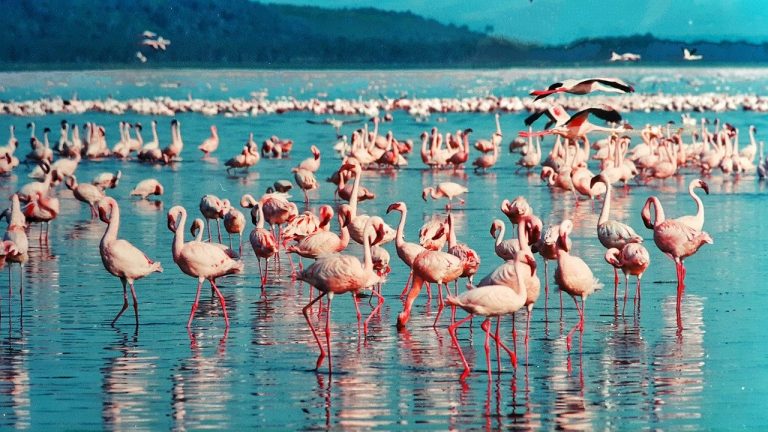
        Other areas of interest that you can visit in Kenya would include places such as Lake Nakuru, famous for its flamingoes, Samburu national park, attractions in Nairobi such as the Elephant Shedrick trust etc.

        Wedding in Kenya

        Should you want to do your wedding in Kenya, we can advice you and help you come up with the best memorable wedding for you. We can plan the wedding in the wild or at the coastal beaches of Kenya.

        Seychelles

        Seychelles is a tropical paradise with some of the most beautiful beaches and natural attractions in the world. Whether you’re looking for a relaxing holiday or an adventurous one, there are plenty of holiday attractions in Seychelles to keep you entertained.

        You can relax on the beaches, swim in the warm waters, and even go snorkeling or scuba diving to see colorful fish, turtles, and other sea creatures.

        During your stay in the Seychelles, you can also visit the Vallee de Mai Nature Reserve, a UNESCO World Heritage site. This park is home to the rare coco de mer palm tree, which produces the largest seed in the world. You can also explore the island’s capital, Victoria, and its vibrant markets, shops, and restaurants.

        Wedding in Seychelles

        Should you desire to hold your wedding in Seychelles, dont worry! Talk to us and we can organize and handle all the logistics involved in planning a dream wedding at one of the resorts in Seychelles that will leave pleasant memories for years to come.

        seychelles wedding

        A Kenya and Seychelles honeymoon holiday tour is a fantastic way to experience the best of African wildlife, culture, and natural beauty. With its diverse landscapes, friendly people, and vibrant cultures, this tour will leave you with unforgettable memories.

        Places to Visit in Seychelles

        Here are some of the top attractions to check out during your honeymoon visit in Kenya:

        1. Beaches: Seychelles is famous for its stunning beaches with crystal-clear waters, white sand, and palm trees. Some of the most popular beaches include Anse Source d’Argent on La Digue, Beau Vallon on Mahé, and Anse Lazio on Praslin.
        2. Vallee de Mai Nature Reserve: This nature reserve is a UNESCO World Heritage site and is home to the rare coco de mer palm tree, which produces the largest seed in the world. You can take a guided tour and learn about the endemic flora and fauna found in the park.
        3. Scuba Diving and Snorkeling: Seychelles has some of the best scuba diving and snorkeling spots in the world. You can explore the coral reefs and see a wide range of marine life, including turtles, sharks, and colorful fish.
        4. Morne Seychellois National Park: This park covers over 20% of the total area of Mahé, and is home to the highest point in Seychelles. You can go hiking, bird watching, and see some of the endemic flora and fauna.
        5. Victoria Market: The market is located in the capital city of Victoria, and is a vibrant and colorful place to visit. You can find fresh fruits and vegetables, local crafts, and souvenirs.
        6. Aldabra Atoll: This is the world’s largest coral atoll and is home to thousands of giant tortoises. You can take a guided tour and learn about the conservation efforts being made to protect the atoll and its wildlife.
        7. Island Hopping: With over 115 islands in Seychelles, island hopping is a popular activity. You can take a boat or a plane and visit different islands to experience their unique culture and natural beauty.

        Attractions in Kenya

        Here are some of the top attractions to check out during your visit in honeymoon in Kenya:

        1. Maasai Mara National Reserve: This Masai Mara reserve is located in southwestern Kenya and is home to a wide range of wildlife, including lions, cheetahs, elephants, and wildebeest. Visitors can take guided safari tours to see these animals up close and personal. Its at the Masai Mara where the great wildebeest migration takes place.
        2. Mount Kenya: This is the highest mountain in Kenya and the second-highest in Africa. Visitors can go hiking, trekking, and rock climbing to reach its summit.
        3. Nairobi National Park: This park is located just a few kilometers from the capital city and is home to a wide range of wildlife, including lions, giraffes, and zebras. Visitors can take guided tours and see these animals in their natural habitats.
        4. Lamu Island: This island is located off the coast of Kenya and is known for its unique Swahili culture and architecture. Visitors can explore the narrow streets and alleys, visit the local markets, and enjoy the stunning beaches.
        5. Lake Nakuru National Park: This park is located in central Kenya and is home to a large population of flamingos. Visitors can also see other wildlife, including rhinos, leopards, and zebras.
        6. Tsavo National Park: This park is the largest in Kenya and is home to a wide range of wildlife, including elephants, lions, and hippos. Visitors can take guided safari tours and enjoy the stunning landscapes.
        7. Cultural tours: Kenya is home to over 40 different tribes, each with their own unique traditions and customs. Visitors can take cultural tours and learn about these different cultures, including the Maasai, Samburu, and Kikuyu.

        What to pack for your Kenya and Seychelles holiday trip

        It’s important to pack appropriately for the varied weather and activities you may encounter. Here are some essential items to consider packing for your Kenya and Seychelles holiday trip:

        what to carry to kenya

        1. Clothing: Pack lightweight and breathable clothing that will keep you comfortable in the tropical climate. For Kenya, pack light, long-sleeved shirts and pants for safari tours and hiking trips. For Seychelles, pack swimsuits, shorts, and t-shirts for beach days. It’s also a good idea to bring a light jacket or sweater for cool evenings.
        2. Footwear: Comfortable and sturdy shoes are essential for safari tours and hiking trips in Kenya. For Seychelles, pack sandals and water shoes for beach and water activities.
        3. Sun Protection: Bring sunscreen with high SPF, sunglasses, and a hat to protect yourself from the strong sun in both Kenya and Seychelles.
        4. Insect Repellent: Insect repellent is essential for Kenya to protect against mosquito-borne diseases. It’s also a good idea to pack it for Seychelles to protect against other insects.
        5. Camera: Both Kenya and Seychelles offer stunning natural scenery and wildlife, so don’t forget to bring your camera to capture those unforgettable moments.
        6. Travel Adapter: Kenya and Seychelles use different types of power outlets, so make sure to bring a travel adapter that is compatible with both countries.
        7. First Aid Kit: Pack a small first aid kit that includes essentials such as bandages, antiseptic, and pain relievers.
        8. Travel Documents: Don’t forget to bring your passport, visa, and other important travel documents, such as flight tickets and hotel reservations.

        Packing for a Kenya and Seychelles holiday trip requires a balance between outdoor adventure and beach relaxation. By packing the essentials mentioned above, you’ll be prepared for the varied weather and activities in both countries and ensure a comfortable and enjoyable trip.

        Vaccinations Shots Required For Kenya & Seychelles

        To enter Kenya, visitors are required to have a yellow fever vaccination and a negative COVID-19 PCR test result taken within 96 hours of travel. The yellow fever vaccination is required to protect against the disease and prevent its spread in Kenya.

        The COVID-19 PCR test is required to ensure that visitors are not infected with COVID-19 and do not pose a risk to the local population.

        In Seychelles, visitors are no longer required to have a COVID-19 vaccination or a negative COVID-19 test result. However, all visitors must have valid travel health insurance that covers COVID-19-related expenses, including quarantine and treatment if necessary

        Kenya & Seychelles Honeymoon Holiday Package

        We can plan and organize for you a memorable holiday package for your honeymoon in Kenya and Seychelles. Use the form below to contact us and we will get back to you ASAP

          Your Name (required):

          Your Email (required):

          Subject (required):

          Your Message

          Mara Gates Safaris place picture
          4.9
          Based on 27 reviews
          Luis Eduardo Torres R. profile picture
          Luis Eduardo Torres R.
          7 years ago
          Unbelievable experience! From planning and booking with Agnes, up to our last day, everything was great!

          Our driver, Jackson, was AMAZING! He definitely a big factor in making our experience so unique.
          rommel carlos profile picture
          rommel carlos
          7 years ago
          Agnes of Mara Gates always responds within 24 hours regarding any of my inquiries. She made the process very easy and always accommodated changes to our itinerary. Ken our driver/guide is very knowledgeable about animals and their behavior. Will definitely book another Safari trip with Mara Gates.!!!
          Robert Schlag profile picture
          Robert Schlag
          7 years ago
          Mara Gates provided us with an experience of a lifetime. The places that we visited were breathtakingly beautiful, the variety and number of animals and flora were spectacular. And our guide, Ken, was so courteous, knowledgeable, and organized. The depth of his knowledge and explanations of animal behavior and the local environments was like traveling with a patient university professor of zoology, ornithology, and botany. Our lodging, food, and their support service staff were excellent. I give this company and its guide my highest recommendation. Thank you. Thank you. Thank you.
          Malou Carlos profile picture
          Malou Carlos
          7 years ago
          We had a wonderful 9-day safari with Mara Gates. My husband found their website and came up with a custom-made itinerary, that Agnes gladly accommodated and made it even better. Communicating with them was so easy because Agnes responds promptly. As soon as their office is open in Nairobi, they respond to our email inquiries quickly. We also met her at our hotel and we discussed the itinerary and she gave us pointers on what to expect during our trip. On the morning of the beginning of our safari, Ken our guide and driver promptly arrived and packed our van. Ken is a very intelligent, knowledgeable, wonderful person who gave us quick lessons on the different types of animals, birds, reptiles and also gave us lessons on their behavior. We would really like to go back and do another safari with Mara Gates, and most especially with Ken. Thank you so much for a wonderful trip!
          Rob Lovemore profile picture
          Rob Lovemore
          7 years ago
          our family booked a hot air balloon trip with Mara Gates. A very good driver collected us from our camp in a smart closed body Toyota Landcruiser. Our camp was nearly an hours drive from the balloon site so it was a good commitment. Hot air ballooning is a must for visitors to the Mara. It's expensive but well worth it. We had a very competent pilot from Switzerland. The open air breakfast on the plains after we landed was also excellent. Then the same driver took us back home again. A great day out. Thanks Mara Gates.
          ABHIJIT MANNA profile picture
          ABHIJIT MANNA
          7 years ago
          We booked our African Safari trip with Mara Gates Safaris in May, '19. This was one of the best trips we have made so far and thanks to Mara Gates Safaris, it became the most memorable one. We received all the help we needed starting from the booking until the end of the trip. Special thanks to our guide Ken who enlightened us so much about the nature and behavior of the animals in the wild and took us to some of the best viewing spots over the different parks.
          Maurine Limo profile picture
          Maurine Limo
          8 years ago
          I had a wonderful experience with Mara Gates Safaris. I wanted a 5 day trip to the coastal town and they got me a very good safari. They are highly organized, excellent communicators- never once did I not get my queries answered and very accommodating. Everything went exactly as scheduled and discussed. Ms. Agnes is easy to work with and a professional in her line of duty. First time with Mara Gates and I will definitely be using them.
          More reviews

          Masai Mara Weather: Masai Mara’s Seasons & Climate Guide

          Masai Mara is one of the most popular wildlife destinations in the world. Located in southwestern Kenya, it is home to a diverse range of wildlife, including lions, elephants, cheetahs, and wildebeests.

          However, one of the most important factors that visitors need to consider when planning a trip to Masai Mara is the weather.

          The weather in Masai Mara can have a significant impact on your experience, so it is important to understand the climate and weather patterns before you go.

          Masai Mara weather

          Climate of Masai Mara

          Masai Mara is situated near the equator and has a warm and humid climate. The area has two rainy seasons and two dry seasons.

          The dry seasons occur between June and September and between December and February. The rainy seasons occur between March and May and between October and November.

          The average temperature in Masai Mara is around 28 degrees Celsius during the day and 15 degrees Celsius at night. The climate in Masai Mara is generally mild, with temperatures ranging from 20 to 30 degrees Celsius.

          Weather Patterns in Masai Mara

          The dry season in Masai Mara is from December to March. During this time, the weather is generally sunny and dry, and there is little rainfall. This is considered the best time to visit for wildlife viewing, as the animals tend to congregate around water sources.

          The wet season in Masai Mara is from April to June and October to November. During these months, the weather is generally cloudy and humid, and there is a high chance of rainfall.

          The rains can make the roads in Masai Mara difficult to navigate, and some camps and lodges may be inaccessible.

          The short rains in Masai Mara occur between November and December. During this time, the weather is generally mild, with occasional rain showers.

          The long rains in Masai Mara occur between March and May. During this time, the weather is generally wet, with heavy rain showers that can last for several hours. Read my article on the best times of the year for safari in Kenya.

          Effects of Weather on Tourism in Masai Mara

          The weather in Masai Mara can have a significant impact on tourism in the area. During the dry season, wildlife sightings are more common, as the animals tend to congregate around water sources. However, this is also the peak tourist season, so accommodation and tour prices may be higher.

          During the wet season, the landscape is lush and green, and there are fewer tourists in the area. However, the roads can be difficult to navigate, and some camps and lodges may be closed due to the weather.


          Interested in a Kenya Safari Package?

          Get Quote

          Click “Get Safari Quote” below to contact us and we will provide you a competitively priced Kenya safari package based on your budget and preferences

          Get Safari Quote

            Your Name (required):

            Your Email (required):

            Subject (required):

            Your Message


            Masai Mara Weather in January

            In January, Masai Mara experiences hot and dry weather with low precipitation levels. The average temperature during the day is around 28°C, while at night, it drops to around 12°C.

            The weather conditions during this month make it an excellent time for wildlife viewing, as the animals tend to congregate around water sources.

            However, visitors should be prepared for the heat and bring appropriate clothing and sunscreen. January is also a popular month for visitors, so it is advisable to book accommodation and tours in advance.

            Masai Mara Weather in February

            February is one of the best months to visit Masai Mara as the weather is hot and dry, making it perfect for wildlife viewing. The average temperature during the day is around 28°C, while at night, it drops to around 13°C.

            Precipitation levels remain low, and the sky is mostly clear, providing excellent opportunities for photography. However, visitors should be prepared for the heat and bring appropriate clothing and sunscreen.

            February is a popular month for visitors, so it is advisable to book accommodation and safaris to Masai Mara in advance.

            Masai Mara Weather in March

            March marks the start of the long rainy season in Masai Mara. The weather during this month is warm and humid, with occasional rain showers throughout the day. The average temperature during the day is around 27°C, while at night, it drops to around 13°C.

            The rain can make some roads difficult to navigate, but it also brings the landscape to life with lush greenery. Wildlife viewing is still possible, but visitors should be prepared for wet conditions and bring appropriate clothing and gear.

            March is a less busy month, and visitors can enjoy lower prices on accommodation and tours.

            Masai Mara Weather in May

            May is towards the end of the long rainy season in Masai Mara, and the weather during this month is still humid and wet. The average temperature during the day is around 25°C, while at night, it drops to around 12°C.

            The rain can be heavy at times, making it difficult to navigate the roads, and some camps and lodges may be closed. However, the lush green landscape is ideal for photography, and the birdlife is abundant.

            Wildlife viewing is still possible, but visitors should be prepared for wet conditions and bring appropriate clothing and gear. May is a less busy month, and visitors can enjoy lower prices on accommodation and tours.

            Masai Mara Weather in June

            June marks the start of the dry season in Masai Mara, and the weather during this month is cooler and drier. The average temperature during the day is around 24°C, while at night, it drops to around 11°C.

            The landscape is still lush from the previous rains, and wildlife viewing is excellent, as animals gather around the remaining water sources. The skies are mostly clear, providing perfect conditions for photography.

            June is also the beginning of the high season, with many visitors flocking to the reserve to witness the Great Wildebeest Migration, so it is advisable to book accommodation and tours in advance. You can observe the migration by taking an optional hot air balloon Mara safari.

            Masai Mara Weather in July

            July is one of the best months to visit Masai Mara as the weather is dry and mild, making it perfect for wildlife viewing. The average temperature during the day is around 23°C, while at night, it drops to around 10°C.

            The landscape is still lush from the previous rains, and wildlife viewing is excellent, with the Great Migration in full swing. The skies are mostly clear, providing perfect conditions for photography. July is a very popular month for visitors, so its best to book accommodation and tours in advance.

            Masai Mara Weather in August

            Masai Mara is a wonderful destination for wildlife viewing, and August stands out as one of the best months to visit. The weather is typically dry and mild, providing ideal conditions for spotting wildlife. During the day, the average temperature hovers around 23°C, and at night, it drops to around 10°C

            The landscape is dry and barren, with little vegetation, making it easier to spot wildlife. The Great Migration is still ongoing, providing excellent opportunities to witness the spectacle. The skies are mostly clear, providing perfect conditions for photography.

            Masai Mara Weather in September

            September is towards the end of the dry season in Masai Mara, and the weather during this month is dry and mild, with little to no rainfall. The average temperature during the day is around 27°C, while at night, it drops to around 13°C.

            The landscape is still dry and barren, with little vegetation, making it easier to spot wildlife. The Great Migration is still ongoing, providing excellent opportunities to witness the spectacle.

            The skies are mostly clear, providing perfect conditions for photography.

            Masai Mara weather in October

            Masai Mara Weather in October

            October is towards the end of the short rainy season in Masai Mara, and the weather during this month is warm and humid, with occasional rain showers. The average temperature during the day is around 27°C, while at night, it drops to around 13°C.

            The landscape is still green from the recent rains, and wildlife viewing is excellent, as animals disperse throughout the reserve. The skies are mostly clear, providing perfect conditions for photography. October is a less busy month, and visitors can enjoy lower prices on accommodation and tours.

            Best Time to Visit Masai Mara

            The best time to visit Masai Mara depends on your priorities. If you want to see the wildlife, the dry season from December to March is the best time to visit.

            If you want to avoid the crowds and enjoy the lush landscape, the wet season from April to June and October to November is the best time to visit.

            It is important to pack appropriate clothing and gear for the weather conditions. If you are visiting during the dry season, be sure to bring sunscreen, a hat, and light clothing. If you are visiting during the wet season, be sure to bring waterproof clothing and shoes.


            Interested in a Kenya Safari Package?

            Get Quote

            Click “Get Safari Quote” below to contact us and we will provide you a competitively priced Kenya safari package based on your budget and preferences

            Get Safari Quote

              Your Name (required):

              Your Email (required):

              Subject (required):

              Your Message


              Google Review About Us By Past Clients

              Mara Gates Safaris place picture
              4.9
              Based on 27 reviews
              Luis Eduardo Torres R. profile picture
              Luis Eduardo Torres R.
              7 years ago
              Unbelievable experience! From planning and booking with Agnes, up to our last day, everything was great!

              Our driver, Jackson, was AMAZING! He definitely a big factor in making our experience so unique.
              rommel carlos profile picture
              rommel carlos
              7 years ago
              Agnes of Mara Gates always responds within 24 hours regarding any of my inquiries. She made the process very easy and always accommodated changes to our itinerary. Ken our driver/guide is very knowledgeable about animals and their behavior. Will definitely book another Safari trip with Mara Gates.!!!
              Robert Schlag profile picture
              Robert Schlag
              7 years ago
              Mara Gates provided us with an experience of a lifetime. The places that we visited were breathtakingly beautiful, the variety and number of animals and flora were spectacular. And our guide, Ken, was so courteous, knowledgeable, and organized. The depth of his knowledge and explanations of animal behavior and the local environments was like traveling with a patient university professor of zoology, ornithology, and botany. Our lodging, food, and their support service staff were excellent. I give this company and its guide my highest recommendation. Thank you. Thank you. Thank you.
              Malou Carlos profile picture
              Malou Carlos
              7 years ago
              We had a wonderful 9-day safari with Mara Gates. My husband found their website and came up with a custom-made itinerary, that Agnes gladly accommodated and made it even better. Communicating with them was so easy because Agnes responds promptly. As soon as their office is open in Nairobi, they respond to our email inquiries quickly. We also met her at our hotel and we discussed the itinerary and she gave us pointers on what to expect during our trip. On the morning of the beginning of our safari, Ken our guide and driver promptly arrived and packed our van. Ken is a very intelligent, knowledgeable, wonderful person who gave us quick lessons on the different types of animals, birds, reptiles and also gave us lessons on their behavior. We would really like to go back and do another safari with Mara Gates, and most especially with Ken. Thank you so much for a wonderful trip!
              Rob Lovemore profile picture
              Rob Lovemore
              7 years ago
              our family booked a hot air balloon trip with Mara Gates. A very good driver collected us from our camp in a smart closed body Toyota Landcruiser. Our camp was nearly an hours drive from the balloon site so it was a good commitment. Hot air ballooning is a must for visitors to the Mara. It's expensive but well worth it. We had a very competent pilot from Switzerland. The open air breakfast on the plains after we landed was also excellent. Then the same driver took us back home again. A great day out. Thanks Mara Gates.
              ABHIJIT MANNA profile picture
              ABHIJIT MANNA
              7 years ago
              We booked our African Safari trip with Mara Gates Safaris in May, '19. This was one of the best trips we have made so far and thanks to Mara Gates Safaris, it became the most memorable one. We received all the help we needed starting from the booking until the end of the trip. Special thanks to our guide Ken who enlightened us so much about the nature and behavior of the animals in the wild and took us to some of the best viewing spots over the different parks.
              Maurine Limo profile picture
              Maurine Limo
              8 years ago
              I had a wonderful experience with Mara Gates Safaris. I wanted a 5 day trip to the coastal town and they got me a very good safari. They are highly organized, excellent communicators- never once did I not get my queries answered and very accommodating. Everything went exactly as scheduled and discussed. Ms. Agnes is easy to work with and a professional in her line of duty. First time with Mara Gates and I will definitely be using them.
              More reviews

              What to Pack, Carry or Wear For Your Tanzania Safari Guide

              Packing the right items for your safari to Tanzania is crucial for ensuring a comfortable and enjoyable trip. Tanzania’s diverse landscapes and wildlife present unique challenges that require specific items to be packed in your luggage.

              From protecting yourself against the harsh sun and insect bites to capturing stunning photographs of wildlife, having the right gear and equipment can make all the difference.

              In addition to ensuring your comfort and safety, packing the right items can also enhance your overall safari experience. For instance, a good pair of binoculars can help you spot animals from a distance, while comfortable clothing can allow you to move around freely and enjoy your activities.

              antelope, sunset, kenya

              Bringing personal items such as medications, toiletries, and a first-aid kit can also help you stay healthy and prepared in case of any unexpected situations.

              Overall, packing the right items for your Tanzania safari package can help you fully enjoy and appreciate the unique beauty and wildlife of this amazing country. By being prepared and having the necessary equipment, you can make the most of your experience and create unforgettable memories.

              In this blog post we will look at some of the essential and non essential items to carry for your next holiday or safari trip to Tanzania. Let start.

              Clothing

              Light Clothing

              When preparing for a safari trip to Tanzania, one of the most important considerations is packing the right clothing. Light, breathable clothing is essential for staying comfortable in Tanzania’a warm and often humid climate, as well as protecting yourself from the sun and insects.

              Tanzania is a country of diverse landscapes and climates, from the hot and dry savannahs to the lush forests and cooler highlands. Regardless of where you plan to visit, you’ll want to choose clothing that is appropriate for the weather and conditions.

              safari clothing tanzania what to pack

              Opting for light, breathable fabrics such as cotton or linen can help keep you cool and dry, even in hot and humid conditions. Neutral-colored clothing is also recommended, as bright colors can attract unwanted attention from insects or wildlife.

              Long-sleeved shirts and pants can provide additional protection from the sun and insects, while a wide-brimmed hat and sunglasses can shield your face and eyes.

              By packing light, breathable clothing for your safari trip to Tanzania, you’ll be able to enjoy your activities and sightseeing without being weighed down by heavy or uncomfortable clothing. You’ll also be better prepared for the weather and conditions, ensuring a more enjoyable and comfortable experience

              Comfortable, Sturdy Footwear

              Comfortable, sturdy footwear is an essential item to pack for your safari trip to Tanzania. On a typical safari day, you can spend several hours walking or standing, so having comfortable footwear is crucial to prevent foot fatigue or blisters.

              Closed-toe shoes or boots with sturdy soles and good arch support can provide the necessary protection and stability on rough terrain. Additionally, shoes with good traction can prevent slips and falls on slippery or muddy surfaces.

              safari boots what to pack

              In addition to being practical and safe, comfortable footwear can also enhance your safari experience. With the right shoes, you’ll be able to enjoy your activities without worrying about discomfort or injuries. You’ll also be able to move around more freely and explore different areas, making the most of your time in Tanzania.

              Overall, packing comfortable, sturdy footwear is an important consideration when preparing for your Tanzania safari trip. By choosing appropriate shoes, you’ll ensure your safety and comfort, allowing you to fully immerse yourself in the natural beauty and wildlife of this incredible country.


              Interested in a Tanzania Safari Package?

              Get Quote

              Click “Get Safari Quote” below to contact us and we will provide you a competitively priced Tanzania safari package based on your budget and preferences

              Get Safari Quote

                Your Name (required):

                Your Email (required):

                Subject (required):

                Your Message


                Hats & Sunglasses

                In addition to light, breathable clothing and comfortable footwear, packing a hat and sunglasses is crucial for a comfortable and safe safari trip to Tanzania.

                Tanzania is a country located on the equator, and the sun can be very strong, even on cloudy days. A hat with a wide brim can provide shade and protect your face, neck, and ears from harmful UV rays. A hat can also help to keep you cool and reduce the risk of heatstroke or sunburn.

                Sunglasses are also important for protecting your eyes from the sun’s harmful rays, as well as from dust and debris. Good quality sunglasses with polarized lenses can also reduce glare and enhance your vision, allowing you to spot wildlife and enjoy the stunning scenery without squinting or straining your eyes.

                In addition to the practical benefits, wearing a hat and sunglasses can also enhance your safari experience. By reducing glare and protecting your eyes, you’ll be able to fully appreciate the beauty and wildlife of Tanzania without discomfort or distraction.

                Protection from the elements

                Sunscreen

                Tanzania is located on the equator, which means that the sun can be very strong, even on cloudy days. This makes it crucial to apply sunscreen with a high SPF before heading outdoors.

                A broad-spectrum sunscreen with an SPF of at least 30 can provide protection against both UVA and UVB rays, and should be reapplied every two hours or more frequently if you’re sweating or swimming.

                what to pack safari kenya

                In addition to protecting your skin from harmful UV rays, sunscreen can also prevent heat stroke or sunstroke, which can be caused by prolonged exposure to the sun. This can be especially important during safari activities where you may be exposed to the sun for several hours.

                By packing sunscreen and applying it regularly throughout your trip, you’ll be able to protect your skin from the sun’s harmful rays and ensure a comfortable and safe safari experience.

                Additionally, by protecting your skin, you’ll be able to fully enjoy the breathtaking landscapes and wildlife of Tanzania without worrying about sun damage or discomfort.

                Insect Repellant

                Insect repellent is an essential item to include in your packing list, as insect bites can be not only itchy and irritating, but also carry the risk of transmitting diseases.

                In addition to protecting yourself from disease-carrying insects, insect repellent can also prevent discomfort and distraction caused by insect bites.

                Mosquitoes and other biting insects can be particularly active during dawn and dusk, which are popular times for safari activities. Wearing insect repellent can allow you to enjoy your activities without being distracted by itching or discomfort caused by insect bites.

                When choosing insect repellent, look for one that contains DEET or picaridin, as these have been proven to be effective in repelling mosquitoes and other biting insects. Additionally, consider packing long-sleeved shirts and pants to provide additional protection from insect bites.

                Hand sanitizer

                Hand sanitizer is an essential item to pack for a safari trip in Tanzania. While it may seem like a small detail, it can make a big difference in protecting your health and preventing the spread of illness.

                Hand sanitizer can be particularly useful when you’re out in the wilderness and away from running water and soap.

                Whether you’re eating lunch on a game drive or using public restrooms during your travels, having hand sanitizer on hand can help to prevent the spread of germs and bacteria.

                When choosing hand sanitizer, look for one that contains at least 60% alcohol, as this is the most effective concentration for killing germs and bacteria. Consider packing a small bottle that you can easily carry with you during your travels.

                Equipment

                Binoculars

                A good pair of binoculars is an important item to pack for your safari trip to Tanzania. The wildlife in Tanzania is diverse and breathtaking, and binoculars can help you to get a closer look at the animals without disturbing them or getting too close.

                Binoculars allow you to observe animals from a safe distance, which is particularly important when viewing large or dangerous animals such as lions, elephants, and buffalo.

                This not only helps to keep you safe but also allows you to observe the animals in their natural habitat without disrupting their behavior.

                In addition, binoculars can help you to spot smaller animals and birds that may be difficult to see with the naked eye. This can add an extra dimension to your safari experience, as you’ll be able to appreciate the full spectrum of wildlife in Tanzania.

                When choosing binoculars, consider factors such as magnification, lens diameter, and weight. Look for a pair with a magnification of at least 8x and a lens diameter of at least 32mm, as this will provide a clear and bright image.

                Additionally, consider the weight of the binoculars, as you’ll be carrying them with you throughout your safari activities

                Camera

                A good camera is an important item to pack for your safari trip to Tanzania. The country is home to some of the most iconic wildlife in the world, and having a camera with you allows you to capture memories of your experiences that will last a lifetime.

                Whether you’re photographing a majestic lion in the wild or a stunning sunset over the savannah, a good camera can help you to capture the beauty and essence of Tanzania.

                However, if you don’t have a dedicated camera, a good smartphone can also work well for capturing images on your safari. Many smartphones now come with high-quality cameras that can take stunning photos and videos, making them a great alternative to a traditional camera

                Read: Scuba Diving In Zanzibar

                Power bank

                Having a power bank is a good idea for your safari trip to Tanzania, especially if you plan to use electronic devices such as a smartphone, camera, or tablet.

                While many safari vehicles are equipped with charging ports, there may be times when you’re away from a power source for extended periods, such as during game drives or bush walks.

                A power bank allows you to recharge your devices on-the-go, ensuring you won’t miss any opportunities to capture stunning wildlife photos or stay connected with loved ones back home.

                Additionally, having a power bank can provide peace of mind in case of emergencies, as it allows you to keep your devices charged in case you need to make a phone call or use a GPS app.

                When choosing a power bank, consider its capacity, size, and weight. Look for one with a high capacity, as this will allow you to recharge your devices multiple times before needing to be recharged itself.

                Additionally, choose a size and weight that is practical for your travel needs, as you’ll be carrying it with you throughout your safari activities.

                Flashlight

                A good flashlight is a crucial item to pack for a safari trip to Tanzania. Many safari camps and lodges are situated in remote areas without proper lighting, and travelers may have to walk back to their accommodations after dark.

                Moreover, early morning and late evening game drives can be challenging without proper lighting. A bright and reliable flashlight can be extremely helpful in such situations, ensuring the safety of the travelers and enabling them to fully enjoy the safari experience by spotting nocturnal wildlife.

                Personal Items

                Medication

                It is recommended to consult with a doctor before taking any medications on a safari trip to Tanzania. However, here are some over-the-counter medications that travelers may find helpful to have on hand:

                1. Anti-diarrheal medication: Traveler’s diarrhea is a common issue for travelers in Tanzania, and having anti-diarrheal medication such as Imodium on hand can help alleviate symptoms and prevent dehydration.
                2. Pain relievers: Pain relievers such as aspirin or ibuprofen can be useful for managing headaches, muscle aches, or other discomforts.
                3. Motion sickness medication: If you’re prone to motion sickness, medication such as Dramamine can help alleviate symptoms during game drives or other activities.
                4. Antihistamines: Antihistamines such as Benadryl can be helpful for treating allergies or insect bites.
                5. Sunburn relief: Aloe vera gel or calamine lotion can be used to soothe sunburned skin

                I would highly recommend that once you land in Tanzania, buy anti-malaria tablets which are very cheap in Tanzania. This will prevent you from getting malaria.

                Should you get bitten by a mosquito that carries the malaria virus while in Tanzania, the infection will only develop while you are back in your country. Treating malaria in Western countries is very very expensive.

                Anyway, it’s important to consult with a doctor or travel health specialist before taking any medications or vaccinations before your safari trip to Tanzania, as they can provide personalized recommendations based on your individual health needs.

                Toiletries

                Here are some essential toiletries to pack for your safari:

                1. Toothbrush and toothpaste: Keeping your teeth clean and healthy is important, so don’t forget to pack a toothbrush and toothpaste.
                2. Deodorant: Temperatures in Tanzania can get quite hot, so bringing a deodorant can help you feel fresh and comfortable.
                3. Hand sanitizer: Good hygiene is essential on safari, and having hand sanitizer can help you avoid getting sick.
                4. Moisturizer: Tanzania’s dry climate can be harsh on your skin, so bringing a moisturizer can help keep your skin hydrated.
                5. Shampoo and conditioner: Many safari lodges and camps provide shampoo and conditioner, but it’s always a good idea to bring your own just in case.
                6. Body wash or soap: Keeping clean on safari is important, so don’t forget to pack some body wash or soap.
                7. Feminine hygiene products: It’s important to be prepared for your menstrual cycle while on safari, so bring enough pads or tampons for the duration of your trip.

                Remember to pack all of your toiletries in leak-proof containers, as spillage can be messy and inconvenient on safari.

                Miscellaneous Items

                Backpack/Daypack

                Carrying a backpack or daypack on your safari trip to Tanzania can be extremely helpful for several reasons:

                1. Convenience: A backpack or daypack allows you to keep all your essential items, such as water bottles, sunscreen, camera, and binoculars, in one place, making them easily accessible when you need them.
                2. Comfort: Carrying a backpack or daypack can be more comfortable than carrying a heavy bag or purse, as it distributes the weight more evenly across your shoulders and back.
                3. Safety: Keeping your valuables in a backpack or daypack can be safer than carrying them in a handbag, as it’s harder for pickpockets to access.
                4. Flexibility: A backpack or daypack can also be useful for carrying extra clothing layers, snacks, or any souvenirs you may pick up during your trip.

                When choosing a backpack or daypack, consider one that is lightweight, durable, and has multiple compartments for easy organization. A backpack or daypack with water-resistant material can also be useful in case of rain or water activities.


                Interested in a Tanzania Safari Package?

                Get Quote

                Click “Get Safari Quote” below to contact us and we will provide you a competitively priced Tanzania safari package based on your budget and preferences

                Get Safari Quote

                  Your Name (required):

                  Your Email (required):

                  Subject (required):

                  Your Message


                  What Vaccinations Do I Need For A Kenya Safari?

                  Kenya is a country in East Africa and it is home to some of the most beautiful wildlife in the world. There are only two important vaccines or health requirements that are required for you to have taken before you enter the country as a visitor. These are:

                  • Yellow fever vaccine
                  • Have a valid COVID-19 negative PCR test certificate

                  These are the ONLY requirements as of 2022. There are a lot of articles out there telling you need to get injected with a myriad of vaccines before you travel into the country but I’m here to assure you (as a Kenyan running a tourism company), that is not the case.

                  Any other vaccination that you take is NOT A MUST but you can do so at your own descretion and piece of mind.

                  Yellow Fever Vaccination in Kenya Before Your Safari

                  Yellow fever is a mosquito-borne illness that is transmitted by the Aedes aegypti mosquito. The virus causes symptoms such as fever, headache, muscle pain, and vomiting. Yellow fever is endemic in tropical regions of Africa and South America. It can also be found in some countries in Asia and the Pacific Islands.

                  There is a lot of misconceptions regarding Yellow fever in Kenya and I’m here to set the record straight.

                  Many of the tourist destinations in Kenya (Masai Mara, Nakuru, Amboseli, Nairobi, Mombasa, Malindi, Samburu) are not affected by mosquito transmitted diseases like malaria and Yellow fever. Its extremely rare to get Yellow fever if you move around in these regions.

                  Regions like Western Kenya like Kisumu, Kakamega, Bungoma, etc (which are not heavily promoted for tourism), are the areas that are affected by mosquito related diseases so if you are traveling to such areas then yellow fever vaccination shots will really protect you.

                  Since the Kenyan government has stipulated that you need to take a yellow fever vaccine before you travel to the country, I’d readily recommend you do so. You are required to take the vaccine shot 14 days before you travel to Kenya.

                  Valid COVID-19 Negative PCR Test Certificate Traveling to Kenya

                  All fully vaccinated passengers arriving in Kenya will be free from the PCR test requirement. Regardless of the method of entry, all eligible unvaccinated travelers must have a genuine COVID-19 negative PCR test certificate acquired within 72 hours before departure from their country of origin. This rule does not apply to children under the age of five (5) years.

                  Unvaccinated tourists arriving at any point of entry will be subjected to a 30-dollar quick antigen test. Anyone who tests positive on an antigen RDT will have to pay an additional $50 for a PCR test and self-isolate.

                  Kenya has relaxed its covid 19 rules and does not require one to wear a facemask in public or private space nor limit the number of persons within restaurant and other entertainment establishments.

                  Health Precautions While On Kenya Safari

                  Like any other place that you’d visit (even in your own country), I’d recommend you

                  • Buy bottled drinking water. Bottled water is cheap in Kenya. Do not drink tap water
                  • Be cautious of eating food prepared in open spaces eg by the roadside or kiosks where food safety standards are not stricly observed. We dont want you spoiling your holiday by coming down with a bacterial infection in a foreign country.
                  • If you buy local fruits, thorougly clean them first with running water before consuming them.

                  The Best Things to Do and See in Kenya

                  Kenya is a country in East Africa. It is the largest country by population in East Africa. Kenya has a diverse culture, with different ethnic groups and languages. Kenya is a popular tourist destination for people from all over the world, especially for those who love nature and exploring new places.

                  The country has many natural attractions and beautiful beaches. If you are planning on visiting Kenya, here are some of the best things to do and see in Kenya!

                  The Masai Mara National Reserve: this is one of the most famous safari parks in Africa. It’s home to lots of wildlife – lions, leopards, cheetahs, zebras, wildebeest, giraffes and more! While in there, why not take a Masai mara hot air balloon? See the pricing. I also discuss Masai Mara safari costs associated with your trip

                  The Nairobi National Park: The Nairobi National Park is a national park that is located in the city of Nairobi, Kenya. The park was established in 1953 and covers an area of about 1,000 square kilometers.

                  Nairobi National Park animals are some of the most iconic animals in Africa. They include lions, leopards, cheetahs, rhinos and giraffes.

                  The Nairobi National Park is a huge tourist attraction and has been listed as one of the top 10 places to visit in Africa by Lonely Planet.

                  Diani BeachDiani beach is a beach located on the along the Indian Ocean in Kenya. It is a popular tourist destination and a place where many people visit for their all inclusive Kenya Beach holiday. Diani Beach is one of the most famous beaches in East Africa, with white sand and clear water.

                  The Diani Beach has been featured in many travel magazines and online articles over the years, including Condé Nast Traveler magazine’s list of Africa’s best beaches and Lonely Planet’s top 10 beaches in East Africa.

                  Check out my other article where i give you information on the best time to visit Kenya.

                  4 Days Wildlife Safari in Tanzania Guide

                  Tanzania is an East African country that has a population of around 59 million people with a lot to offer to its visitors. It is no surprise that more and more people are visiting Tanzania for their safaris.

                  The safari in Tanzania offers a wide variety of landscapes, wildlife, and activities that will make your time spent there worthwhile.

                  Tanzania has a great variety of natural places to visit, including national parks, game reserves and private reserves. The safari destinations are well-known for their diversity of species and landscapes that are rarely found elsewhere in Africa.

                  The safari destination is also known for its unique culture and people who have been living there for centuries.

                  For those planning to go on a 4 days Tanzania safari, there are a number of national parks and attractions I would recommend you visit in your 4 days trip. These are:

                  • Serengeti National Park
                  • Ngorongoro Crater
                  • Lake Manyara National Park
                  • Tarangire National Park

                  We will look at each individual park in detail

                  Serengeti in Tanzania

                  The Serengeti National Park is a vast area in Tanzania, East Africa. It is one of the largest parks in Africa and is home to a huge variety of animals, including lions, cheetahs, wildebeest, zebras, giraffes and more.

                  The Serengeti National Park was established in 1952 by the Tanzanian government, with the goal of protecting wildlife from poaching and hunting. The park encompasses an area of 1,500 square kilometers (580 square miles)

                  The Serengeti is the largest continuous expanse of open grassland in the world. The word “Serengeti” means “endless plains” in Swahili. It was given its name after the Maasai people saw a herd of wildebeests running away from an approaching lion.

                  The Serengeti National Park is one of the most important conservation areas in Africa because it protects endangered species such as lions and elephants while also providing habitat for many other species that coexist peacefully with humans

                  Tarangire National Park

                  The Tarangire National Park is a national park in northern Tanzania. It is a UNESCO World Heritage Site and one of the most popular safari destinations in East Africa. It has been described as one of Africa’s most beautiful parks. The park has been listed as a natural heritage site by UNESCO since 1986, and it was also listed as a World Heritage Site in 2000.

                  Tarangire is home to one of the most diverse populations of animals and plants in Africa. The park is an African paradise. It has an abundance of wildlife and plants, making it a great place for tourists to visit while they are visiting Tanzania.

                  The park borders with the Serengeti National Park and the vegetation here is mainly composed of acacia trees and grasses, while the wildlife consists mostly of elephants, lions, leopards, giraffes, zebras and wildebeest.

                  Lake Manyara National Park

                  Lake Manyara National Park is an amazing place to visit. Its a popular destination for tourists and photographers alike, with its beautiful scenery and rich wildlife The park is known for its diverse wildlife, beautiful scenery and a variety of bird and plant life.

                  Lake Manyara National Park is home to a wide variety of animals, including lions, elephants, giraffes, zebras and baboons. The park also includes a variety of birds such as the African fish eagle and the greater kestrel.

                  Ngorongoro Crater

                  The Ngorongoro crater is a large volcanic caldera in Tanzania. The crater was formed by an enormous eruption about 200,000 years ago, which created a vast lake within its walls and covered the surrounding plains with ash.

                  The Ngorongoro Crater is located at an altitude of 3,500 meters above sea level.

                  The crater is home to myriad of wild animals including 7k wildebeests, 6k black spotted hyenas, 4k zebras, 3k elands, 3k gazelles, 300 Elephants, over 55 Lions, 30 black Rhinos and many small animals like antelopes, kobs, jackals, hippos & others.

                  The crater is a UNESCO World Heritage Site that has been visited by thousands of tourists every year, making it one of East Africa’s most popular tourist attractions.

                  Tanzania Safari Tips

                  1- Tanzania safari is not necessarily cheap, so make sure you plan ahead and budget for it. Make sure to book your safari well in advance to avoid disappointment with tour companies like ours (Mara Gates Safaris).

                  2- The best time to visit Tanzania is from November through April, when the weather is cooler but still warm enough for outdoor activities

                  3- Tanzania offers a wide range of accommodation options, from luxury hotels to camping sites

                  4- Be prepared with appropriate clothing and footwear – Tanzania has many different cultures and its mostly a conservative country. What you might find appropriate in your country might be considered offensive in Tanzania so do some research first before you travel there

                  How much does a safari in Tanzania cost?

                  Tanzania safari package prices vary a lot, and the cost varies widely depending on the type of safari, the time of year, the type of accommodation you will need and the number of persons traveling. With so many variables, it can be “hard” to figure out exactly how much a safari will cost in Tanzania.

                  On average, it will cost you about $200 per day for a budget safari, $350 per day for a midrange safari and about $600 per day for a luxurious safari in Tanzania.

                  What is the best month to safari in Tanzania?

                  I’d suggest the months between June to August to coincide with the spectacular Mara River crossing that occurs around this time. Plus the drier weather will cause more wildlife to be around waterholes.

                  Lake Nakuru or Lake Naivasha: Which is Better?

                  Planning to go on a safari in Kenya and wondering which lake is best to visit between Lake Naivasha and Lake Nakuru?

                  We will look at some of the features and attractions of both locations to give you a better idea of what to expect so that you can make an informed decision.

                  Lake Naivasha

                  Lake Naivasha is a large, freshwater lake in Kenya. It is the largest lake in East Africa and the second-largest fresh water lake by surface area in Africa.

                  Lake Naivasha has a lot of tourist attractions that you can visit while you are on your African safari. The lake is home to hippos and crocodiles, and you can also find some of the most beautiful birds in this region.

                  It is one of the major tourist attractions in Kenya and has been visited by many international tourists. Lake Naivasha has a variety of activities that tourists can do, such as sailing, fishing, swimming and boating.

                  Lake Naivasha Hotels

                  The number of hotels around the lake has grown significantly over the past years. The hotels around lake Naivasha range from luxury to budget options like

                  Lake Naivasha Country Club

                  Lake Naivasha Country Club is a world-class golf course and resort located in Kenya. It is the perfect getaway for those who are on a safari trip in Kenya.

                  Lake Naivasha Country Club offers an array of facilities for guests including golf, tennis, swimming, horse riding and more. It also offers a variety of activities that offer a range of experiences from playing tennis with local players to watching the sunset from your private deck.

                  The country club has been operating since the 1980s and has grown into one of the most popular destinations in Kenya.

                  Great Rift Valley Lodge & Golf Resort

                  The Great Rift Valley Lodge and Golf Resort is located in the Great Rift Valley, a UNESCO World Heritage Site. It boasts of an impressive view of the valley and is surrounded by greenery.

                  The lodge has been welcoming guests since 1985 and offers a wide range of activities including golfing, hiking, horse riding, mountain biking, fishing and more.

                  The Great Rift Valley Lodge & Golf Resort is one of the most popular places to accommodate yourself as you tour Lake Naivasha in Kenya in Africa. It offers a wide range of activities for its guests to enjoy in nature.

                  It also provides the best golf courses in Africa, as well as other activities like horseback riding and game drives. The lodge offers a variety of facilities including an 18-hole golf course, spa, restaurant and bar, conference center and a swimming pool.

                  Naivasha Kongoni Lodge

                  Naivasha Kongoni Lodge is a luxurious safari lodge near Naivasha and its surrounding areas is rich with beauty. It’s also close to Lake Naivasha National Park where you can spot hippos and crocodiles in the water.

                  The lodge is offers the perfect getaway for honeymooners and family vacations. Whether you are on a business trip or on vacation, this lodge will offer you all that it takes to have an unforgettable experience.

                  Are there crocodiles in Lake Naivasha?

                  There are no crocodies in Lake Naivasha. But hippos can be found here

                  Is Naivasha past Nakuru?

                  If you are coming from Nairobi, Naivasha is not past Nakuru.

                  Lake Nakuru

                  Lake Nakuru is a shallow lake in the Great Rift Valley of Kenya, Africa. It is one of the most visited tourist attractions in Kenya, and is also a popular destination for bird watchers.

                  Lake Nakuru is a shallow lake that lies within the Great Rift Valley of Kenya. It has an area of 38 square kilometers and a maximum depth of only 3 meters. The lake was created by volcanic activity from Mount Longonot, which stands to its east-northeast side.

                  Lake Nakuru National Park is a protected area in Kenya. It was designated as a national park in 1972 and is home to many species of animals including zebra, gazelle, buffalo, waterbucks and more.

                  Lake Nakuru Lodge

                  Lake Nakuru Lodge is a lodge that is located near the beautiful Lake Nakuru National Park. The lodge offers a spectacular view of the lake and has all the amenities you need for your business meetings or personal retreats.

                  Lake Nakuru Lodge is located only 2.5 hours from Nairobi, Kenya’s capital city. It features an outdoor pool and spa, as well as guided walking safaris to see wildlife in their natural habitat.

                  The lodge offers a variety of activities for guests to enjoy, including game drives, horse riding, and bird watching. The lodge also has a restaurant that serves local cuisine and international dishes.

                  The lodge has been featured in many magazines and travel guides for its unique location and luxurious accommodations.

                  Sarova Lion Hill Game Lodge

                  Sarova Lion Hill Game Lodge is a luxury game lodge in Nakuru. It offers a unique resting experience for guests who want to explore Africa’s natural beauty and wildlife. The lodge has been designed with an emphasis on comfort, style, and service. Guests can enjoy their stay at this luxurious game lodge while exploring Africa’s natural beauty and wildlife.

                  Which is better Between Lake Naivasha or Lake Nakuru?

                  If your interest is in wild birds, both Lake Naivasha and Lake Nakuru are great options. Lake Nakuru has the added advantage that it will allow you to see more wildlife compared to lake Naivasha.

                  You can opt to visit both lakes as part of your Kenya safari vacation. Your visit to both lakes will not disappoint you. Check out my other article highlighting the best time to visit Kenya for safari. Also see my other article on cheap Masai Mara safari packages.

                  Between lake Naivasha and lake Nakuru which is bigger?

                  Lake Nakuru is bigger in size

                  Where are the pink flamingos in Kenya?

                  You will find them in Lake Bogoria, lake Natron, Lake Nakuru & lake Naivasha.

                  What time of year are flamingos at Lake Nakuru?

                  There has been some major climatic changes in the past that caused water levels to rise in Lake Nakuru causing the flamingos to migrate to Lake Bogoria. Talk to your tour operator to give you more recent updates on this matter.

                  Are there still flamingos in Lake Nakuru?

                  In the past, water levels at the lake rose drastically causing the flamingos to migrate to other lakes. Its best to contact your tour operator to give you the current happenings at the lake.

                  Flamingo season in lake Nakuru

                  In the past, the seasons for flamingos in lake Nakuru changed due to geological issues which caused the water levels to rise causing the flamingos to migrate to other lakes.

                  Kruger National Park vs Serengeti National Park Guide

                  In this blog post we will be looking at the Kruger National Park Vs Serengeti National park in Tanzania. We will look at the attractions of each park, the accommodation option and the best seasons to travel to let you decide which would be a better option for yo.

                  Kruger National Park in South Africa

                  The Kruger National Park is the oldest and largest game reserve in Africa. It is also one of the most popular safari destinations in the world. It’s home to a wide variety of wildlife, including the Big Five.

                  The Kruger National Park was established in 1898 and covers an area of 18,624 square kilometers. The park is home to a wide variety of wildlife, including the Big Five – lion, leopard, elephant, buffalo and rhino.

                  Kruger National Park is a haven for animals, with more than 400 species of mammals and birds residing there. Visitors can spot big five game such as lions, leopards, buffalo, rhinoceros and elephants. There are also over 350 species of trees inside the park which provide food for animals like monkeys and baboons

                  Kruger National Park Accommodation

                  Kruger National Park offers a wide range of accommodations for travelers from all over the world. From luxury lodges to campsites, there are many options available for those looking for affordable or luxurious accommodations.

                  The lodges offer more comfort than campsites and some are situated within close proximity to the Kruger. The lodges are located close to the park’s major attractions while the campsites are located near waterholes where animals gather at night.

                  How much does it cost to stay at Kruger National Park?

                  The cost of staying at Kruger National Park varies depending on your needs and preferences. There are many accommodation options available, such as campsites, lodges, hotels, or safari tents.

                  You can also camp at a designated area within Kruger National Park if you want to experience a more authentic safari experience.

                  There are various factors that affect the cost of staying at Kruger National Park:

                  – The type of accommodation you choose

                  – The time of year you visit

                  – Your length of stay

                  The cost of staying at Kruger National Park depends on the type of accommodation that you choose and where it is located. A typical family safari lodge can cost between $500 to $1,500 per night, depending on the season and how far from the park gate it is located.

                  Camping will cost around $20 per person per night. The cheapest option is staying in a self-catering cottage which costs around $100-$150 per night depending on how close it is to the park gate.

                  The cost of staying at Kruger National Park also depends on whether you are a South African citizen, a tourist or an international visitor. South African citizens have to pay R50 per person per day to enter the park and this is valid for the whole year. Tourists need to pay R350 per person per day and international visitors have to pay R550 per person per day.

                  The prices vary depending on the season of your visit. The prices are cheaper during winter (June-August) and more expensive during summer (December-February).

                  Kruger National Park Safaris

                  Kruger National Park safari packages are a great way to explore the park and experience its diverse flora and fauna. They also provide an opportunity to get up close with some of the most iconic animals on earth.

                  The Kruger National Park safari packages are designed for tourists who want to explore the park’s natural beauty. These packages offer different levels of accommodation, allowing tourists to choose the one that best suits their needs.

                  The safari packages vary from the budget-friendly option of camping under the stars to more luxurious accommodations with access to amenities like swimming pools, gyms, and spas.

                  Kruger National Park all inclusive safari packages

                  An all inclusive safari package is for travelers who want to explore the park without worrying about any additional costs or inconveniences. There are a number of safari options for visitors to choose from.

                  These options vary in terms of duration, price and the activities offered on safari. The park offers different safari packages that include accommodation, game drives and other activities such as night drives or guided walks. These packages provide you with the opportunity to explore the park without any hassle and make your trip more enjoyable.

                  Kruger National park safaris from Johannesburg

                  The Kruger National Park safari from Johannesburg is one of the most popular safaris to consider. It offers many different safari options for travelers to choose from, depending on how much time they have. You have the option of choosing 3 days or 4 days safaris from Johannesburg to Kruger National park that are affordable according to your budget.

                  Travellers can choose from day trips, overnight trips or longer trips that last up to two weeks. A popular option for those who want to see as many animals as possible are the overnight trips which are about two days long.

                  Kruger National Park Facts: Why You Should Visit It

                  Kruger National Park is the largest game reserve in Africa. It’s also one of the most popular tourist destinations in South Africa.

                  The Kruger National Park is one of the most popular tourist destinations in South Africa and it’s also the largest game reserve on the continent. The park covers an area of 19,485 square kilometers (7,523 sq mi) and it’s home to over 11,000 species of animals, including lions, rhinos, elephants and giraffes.

                  • The park is home to a number of endangered species, including rhinoceroses and black and white rhinos.

                  • It is also one of the largest game reserves in the world, with an area of 19,633 square kilometers (7,580 square miles).

                  • It is home to around 2,000 lions, 20,000 elephants and 1,500 leopards. Kruger National Park covers an area of 7,523 square kilometers.

                  Serengeti National Park in Tanzania

                  The Serengeti National Park is a national park in Tanzania. It is the world’s largest game reserve and hosts a great diversity of animals.

                  The Serengeti National Park covers an area of 14,763 square kilometres, which includes the Serengeti ecosystem. This ecosystem has been designated as an UNESCO World Heritage Site since 1979. The park provides protection to more than 1,000 species of wildlife and covers an area that is larger than the size of Switzerland.

                  It was established in 1951 and is famous for being the location of the world’s largest mammal migration. It is also home to more than 2 million wildebeests, 200,000 zebras and 300,000 Thomson’s gazelles as well as other mammals like giraffes, elephants and cheetahs.

                  Serengeti National Park: Why You Should Visit It

                  • It is the place where the great wildebeest migration kicks off that causes millions of wildebeest to move from the Serengeti to Masai Mara in Kenya looking for greener pastures.

                  • Serengeti National Park is home to the greaest concentration of large mammals in the world, so you wont miss spotting giraffes, elephants, hippos and, of course, lions.

                  Best time to visit Serengeti National Park

                  This is a tough question to answer because there are many factors that can determine the best time to visit Serengeti. One of the most important factors is the weather.

                  There are two main seasons in Serengeti National Park – the rainy season and the dry season. The rainy season starts from November and lasts till April. It is good time to visit Serengeti because of high rainfall and green grasses, but there is a risk of flash floods during this period.

                  The dry season starts from May and lasts till October. This period has less rainfall with dusty soil, but there are more animals due to lack of water availability..

                  If you want to witness the wildebeest migration in Serengeti, then the best time to visit would be June to August. The migration enters the Serengeti in late June and early July. As a result, these are the best times to see the movement in the Serengeti’s western region. In addition, the Great Migration can be seen in the northern Serengeti in August. I wrote another article on the best time to visit Tanzania

                  How much does a Serengeti safari cost?

                  A safari to the Serengeti can cost anywhere from $1,000 to as high as $10,000 per person. The final pricing is influenced by the number issues: people traveling, the type of accommodation (cheap or luxurious), the season one is traveling in, mode of transportation (flight or road) among many other factors to consider.

                  one of our past clients

                  A budget-friendly safari might cost about $1,500 per person for a 7-day trip. This includes all meals and activities.

                  Serengeti Safari Packages

                  A tour company like ours can offer you a variety of different packages to the Serengeti. These packages range from budget-friendly to luxury options for those who are looking for something extra special on their trip to Tanzania.

                  We have 2 days safari package, 3 days safari packages all the way to 7 days safari packages that take you different national parks and attractions in Tanzania. You get to stay at different camps and lodges in Tanzania depending on your budget.

                  Conclusion

                  So what’s the best between Kruger National Park vs Serengeti National park? It all comes down to what you want. Factors that might influence your decision would be the season you are traveling in, the budget that you have etc.

                  If the month you want to travel coincides with the wildebeest migration then I would recommend you visit Tanzania.